- Flashing lights
- Noisy stops
- Not-so-good vibrations
- Sluggish starts
- Oil spots
9717 Idaho 45, Nampa, ID 83686 (208) 467-0066 countryrepairtowing.com Auto Parts Store, Towing Service, Auto Repair Shop
About Us
Country Repair has been serving the valley since 1985 and is a current member of the BBB. We are the first AAA repair facility in Idaho and have received awards for customer service. Our facility has 18 service bays and 9 Techs that are all ASE certified in all areas of service.
Showing posts with label tires. Show all posts
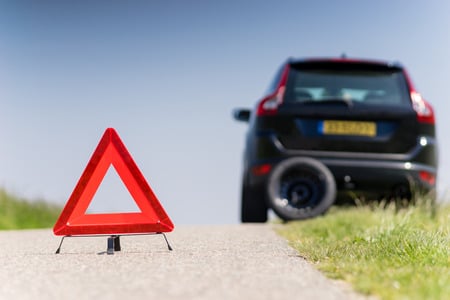
4 Things To Do Before The Tow Truck Arrives

- Gather Personal Items
- Put on Your Hazard Lights
- Keep Your Phone Line Free
- Stay in the Car
24/7 Towing
We got you covered 24/7 for towing services! Call our 24 hour Tow Line 208-467-0066. We're happy to help!
Happy Thanksgiving
Symptoms of a Bad or Failing Air Filter
The engine air filter is
a common service component found on virtually all modern vehicles
equipped with internal combustion engines. It serves the purpose of
filtering the air coming into the engine so that only clean air passes
through the engine. Without the filter, dirt, pollen, and debris can be
ingested by the engine and burned inside the combustion chamber. This
can not only cause harm to the combustion chamber, but it can also cause
harm to the vehicle’s emissions components. Due to the amount of debris
that the filter picks up, it should be inspected and replaced on a regular basis. Usually, when the air filter is in need of replacement, the vehicle will begin to display a few symptoms that can alert the driver.
1. Reduction in fuel mileage
One of the first symptoms that an air filter may need replacing is a reduction in fuel mileage.
A filter that is highly contaminated with dirt and debris will not be
able to filter the air efficiently, and the engine will receive less air
as a result. This will reduce the efficiency of the engine and will
cause it to use more fuel to move the same distance or speed as would
otherwise be required with a clean filter.
2. Decreased engine performance
Another symptom of a dirty air filter is a reduction in engine performance and power.
The reduced air intake from a dirty filter will negatively impact the
efficiency of the engine. In severe cases, such as with a clogged air
filter, the engine may experience a significant reduction in
acceleration and total power output.
3. Dirty air filter
The
best way to know if an air filter needs to be replaced is by simply
taking a look at it. If, when the filter is removed, it appears to be
significantly covered in dirt and debris on the intake side, then the
filter should be replaced.
Usually,
checking the air filter is a relatively simple procedure that can be
done on one's own. But if you do not feel comfortable doing such a task,
or it is not a simple procedure (as in some case with European
vehicles), have it checked by a professional technician, such as one
from YourMechanic. If needed, they will be able to replace your air filter and restore proper performance and fuel efficiency to your vehicle.
When debating between all season tires vs summer tires, the differences between the two types can be easily misunderstood. Depending on your vehicle, driving conditions, and personal preferences, one may be a better option than the other. When choosing between summer and all season tires, it helps to understand the benefits and limitations of each.
ALL-SEASON TIRES
An all-season tire offers a balance of capabilities, providing acceptable performance in wet and dry conditions, as well as traction in snow.
Built for the average driver, all-season tires have moderate tread depths and rubber compounds that are engineered to provide longer tread life than summer tires, which have shallower tread depths. All-season tires are offered in many types/models, sizes, load capacities, and speed ratings for use on a wide variety of vehicles from economy cars to sedans to mini-vans to pickup trucks. They tend to provide ride comfort, handling, and other performance attributes suitable for most drivers.
All-season tires perform well in warm weather, but they may offer less grip than summer tires, sacrificing some steering, braking, and cornering capabilities. This trade off is necessary for all-season tires to be able to provide acceptable performance in light winter conditions and provide longer tread life.
All-season tires are capable of providing traction in winter, but are not the best tire to use in extreme winter driving conditions. Drivers who encounter extreme winter weather may want to consider switching to snow tires in the winter.
Because all-season tires offer a blend of summer and winter performance, they are often a good option for drivers in moderate climates and driving conditions.
SUMMER TIRES
Summer tires are ideal for high performance vehicles, and are built for speed and agility. They offer increased responsiveness, cornering, and braking capabilities. This is typically attributed to specialized tread patterns and rubber compounds that allow for improved precision on the road. The tread patterns of summer tires have less grooving and put more rubber in contact with the road. They are designed to provide maximum road-holding grip. The tread compounds of summer tires are designed to remain more flexible, allowing for better traction and grip. Summer tires may have shallower tread depths that allow for more stability when pushed closer to their limits.
Dimensional characteristics (such as the tire’s width, aspect ratio, and rim diameter), speed capability, and other design features make summer tires more suitable and capable for increased performance in wet and dry conditions on high-performance, sports-oriented vehicles. Surprising to some, summer tires provide better performance in wet driving conditions, thanks to unique tread patterns that help evacuate water and resist hydroplaning.
When it comes to winter driving, all-season tires may be more suitable than summer tires, given their blend of summer and winter performance capabilities, but we recommend considering making the switch to winter tires to get optimal traction and performance in extreme winter conditions.
Subscribe to:
Posts (Atom)